
Why crew size is a scheduling question, not a preference
The question of how many photographers or videographers you need is really a question about how many things are happening at once on your wedding day, and in how many different places. A single photographer can only be in one location, pointed at one moment, at any given time — so the real planning question is not "how many do we want" but "how many moments in our run sheet happen simultaneously, or close enough together, that one person cannot reasonably cover both."
This is worth working through with your photographer or videographer using your actual run sheet, rather than guessing from a package name.
Two-home mornings
If the bride and groom are getting ready at two different homes or hotel rooms before the gatecrash, that is the clearest case for a second shooter. One person cannot photograph the bride's hair and makeup and the groom's preparation at the same time if they are on opposite sides of the island, or even on different floors of the same hotel. If you want both sides of the morning documented properly, rather than a few minutes squeezed in before the gatecrash, you need two people working in parallel from the start.
If your morning is single-location — both of you getting ready at the same home or hotel — a single photographer can usually move between the two without missing much, since the preparation for one side often has natural pauses.
Gatecrash and tea ceremony back-to-back
Gatecrash and door games happen at the bride's home or a void deck area, and are typically followed fairly soon after by the tea ceremony — sometimes at the same home, sometimes back at the groom's family home. Both events involve a lot of people, quick reactions and movement, and there is often very little travel buffer between them.
A second shooter earns their place here by capturing wide reaction shots — parents, siblings, the wedding party — while the lead photographer stays close to the couple. With only one photographer, you will usually get strong shots of the couple but fewer of everyone else's reactions, since one person cannot be in two parts of the room at once.
Big banquets with a lot to cover
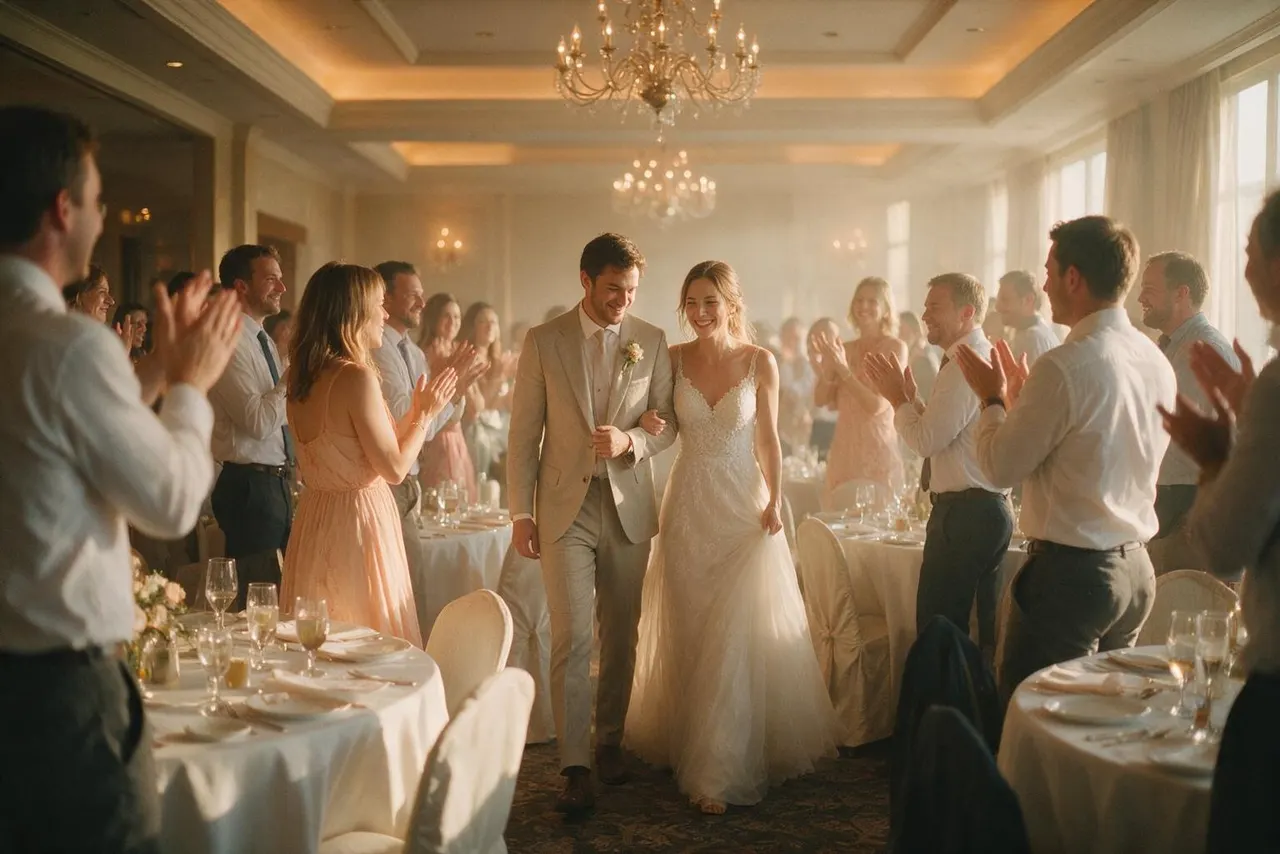
A large banquet with many tables, a long programme of speeches, games, a march-in and a first dance is another scenario where one photographer is often stretched thin. Table photographs alone can take a meaningful chunk of the evening if there are many tables, and a solo photographer trying to also catch candid reactions during speeches will inevitably miss some of one or the other.
For video, a banquet with a stage, a dance floor and guest tables spread across a large ballroom is also a strong case for more than one camera, simply so that a wide shot of the room and a close shot of the couple can both exist for the same moment — a single camera has to choose one or the other.
Small, single-location days
Not every wedding needs a large crew. A ROM-only day — a solemnisation at the Registry of Marriages or at home, followed by a small lunch with immediate family — is usually short, single-location and light on simultaneous action. One photographer, and often no separate videographer at all, is enough to cover a ceremony like this properly. If you are having a ROM now and a larger banquet later, it is worth treating them as two separate coverage decisions rather than assuming the same crew size applies to both.
Running photo and video on the same run sheet
When you book both photography and videography for the same day, the two teams need to work from the same run sheet and know where each other will be standing, particularly during the ceremony, the first look and the couple portraits. It is easy to spoil a photograph with another crew member's camera, flash or boom microphone caught in frame, or a video with a photographer's shutter noise picked up during the vows.
Ask your photography and video teams to walk through the ceremony and key portrait moments together beforehand, agreeing on angles and positioning so that each is working around the other rather than into each other's shot.
Decision rules to work from
A few practical rules, rather than a fixed number, tend to hold up across most Singapore weddings:
- If preparation happens at two separate locations at the same time, you need two shooters from the start of the morning.
- If two significant events — gatecrash and tea ceremony, or tea ceremony and solemnisation — happen back-to-back with little travel time between them, plan for a second shooter to cover the one the lead cannot reach in time.
- If your banquet has a large number of tables, or a long programme with simultaneous elements such as a stage act alongside table interactions, a second shooter reduces how much gets missed.
- If your day is a single ceremony in a single location with a small guest list, one experienced photographer is usually sufficient.
- If you are booking photo and video together, confirm both teams will coordinate positioning in advance, not on the day itself.
Working out crew size is easiest when you share your actual run sheet — locations, timings and any back-to-back events — with your photographer and videographer ahead of time. See our wedding photography and wedding videography pages for more on how coverage is planned, or get in touch to talk through your day.