
In short
Morning light tends to be softer and cooler with fewer crowds, while sunset golden hour gives warmer tones and a more dramatic sky. Which suits your pre-wedding shoot better depends on your chosen locations and how much of the day you have available.
- Morning light is generally softer, cooler in tone, and comes with fewer people around at most outdoor locations
- Sunset golden hour offers warmer, richer tones and can produce a more dramatic sky in the background
- Some locations suit one timing far better than the other, so check with your photographer before deciding
- A shoot that covers both morning and sunset segments is possible but needs a longer overall day
- Singapore's weather can shift quickly, so build flexibility into whichever timing you choose
What morning light offers for outdoor locations
Morning light in Singapore tends to be softer and less harsh than the midday sun, with cooler tones that suit a calm, clean look across most outdoor locations. Many public spaces are also quieter earlier in the day, which makes it easier to move between spots and get shots without waiting for crowds to clear.
An early start does mean earlier hair and makeup, which is worth factoring in when you plan the rest of your shoot day, since the styling appointment needs to begin well before sunrise light is at its best.
For couples who prefer a relaxed pace without racing against a closing window of light, morning offers a more forgiving stretch of time to work with before the sun climbs higher and the light turns harsher.
Why sunset golden hour remains a popular choice
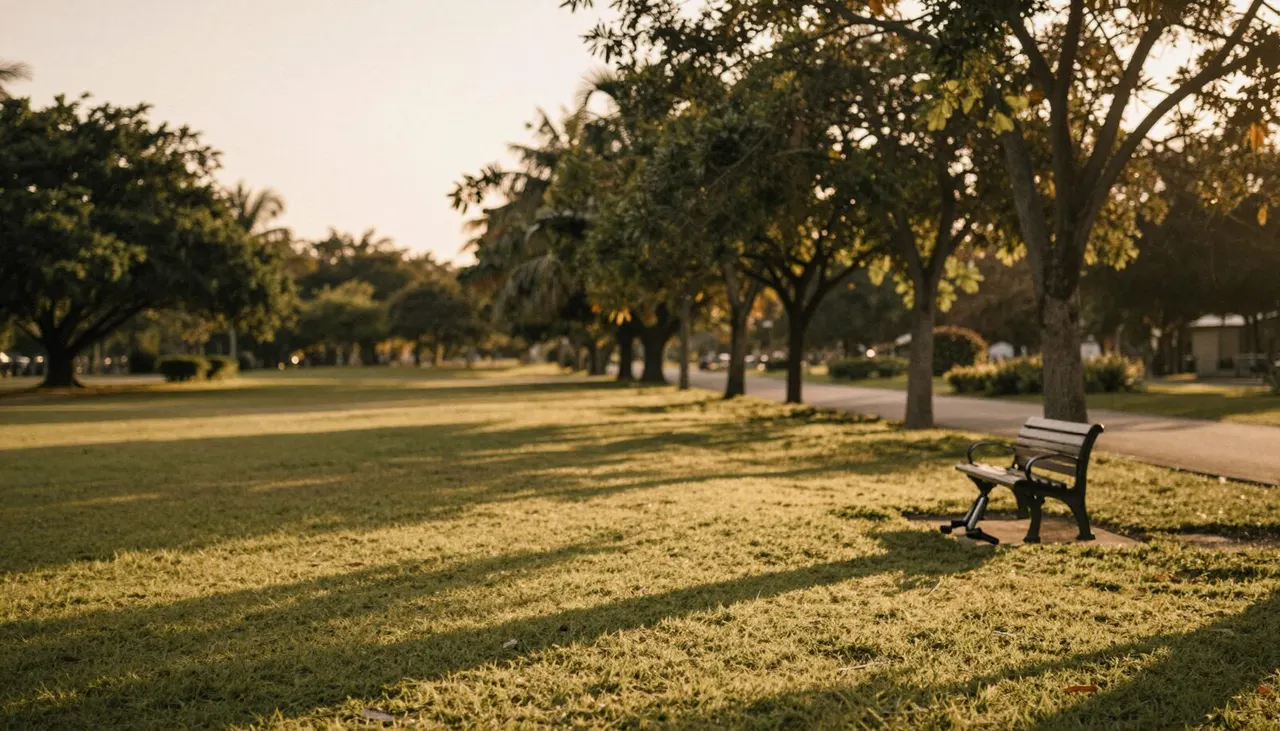
Sunset, often referred to as golden hour, produces warm, golden tones and longer shadows that many couples find flattering and romantic, along with the possibility of a colourful sky if conditions cooperate. It is one of the most requested timings for outdoor pre-wedding photography for exactly this reason.
The trade-off is that golden hour is a narrow window, typically lasting less than an hour, so there is less room for delays or reshoots compared with a longer morning session. Arriving at the location with time to spare, rather than rushing to catch the last of the light, matters more here than at almost any other time of day.
Because the exact timing shifts through the year, confirm sunset time for your shoot date in advance rather than relying on a rough estimate from memory.
How location choice affects which timing works better
Some locations face a direction or have surroundings that suit morning light particularly well, while others are positioned to catch a striking sunset. Discuss your shortlisted locations with your photographer, since they will often already know which time of day tends to work best at a given spot.
Locations with tall buildings or dense tree cover nearby can also affect how much usable light reaches ground level at different times of day, which is another reason to get a photographer's opinion on your specific locations rather than assuming a general rule applies everywhere.
If a location is new to your photographer as well, a quick site visit or a look at recent photos taken there at different times can help confirm the better window before your actual shoot day.
Planning a session that uses both if the schedule allows
Where time allows, some couples plan a shoot that spans both a morning segment and a sunset segment, sometimes with a midday break for rest, touch-ups or a change of location in between. This gives you the benefit of both lighting styles within one overall shoot day rather than choosing only one.
This approach needs more careful scheduling, since it spans a longer stretch of the day and usually involves at least one additional touch-up session for hair and makeup between the two segments.
It works best when your locations for each segment are reasonably close together, since a long midday break spent travelling between distant spots eats into the rest time you were hoping to build in.
Weather and how it affects each timing option
Singapore's weather can shift quickly, and a clear morning does not guarantee a clear sunset, or the reverse. Both timings carry some weather risk, so it is worth discussing a backup plan with your photographer regardless of which window you choose.
A studio segment as a fallback is one way to protect an outdoor plan that depends heavily on a specific time of day, since it goes ahead regardless of what is happening outside.
Checking the forecast a day or two ahead, rather than only on the morning of the shoot, gives you a little more time to adjust plans if conditions look unfavourable.
Making the final call for your own shoot
If you are still undecided, think about which mood you want your final images to carry. A softer, calmer feel generally points toward morning, while a warmer, more romantic feel points toward sunset.
Also consider your own energy levels and preferences, since some couples find an early start easier to manage than staying alert and camera-ready right up to and through a busy sunset window at the end of a long day.
Whichever you choose, confirm the exact timing with your photographer well ahead of the shoot date, since both morning light and golden hour shift slightly throughout the year.
If you are weighing up morning light against sunset for your locations, get in touch and we can help you plan the timing around what you have in mind.