
In short
Equipment failure on a wedding day is uncommon but not impossible, which is why most established wedding photography and video vendors in Singapore carry spare bodies, lenses, cards and batteries as a matter of course. Ask a vendor directly what they carry as backup and how they would recover if something failed mid-ceremony.
- Cameras, lenses, memory cards and batteries can all fail; a prepared vendor carries spares for each.
- Ask specifically what backup gear is brought on the day, not just whether they 'have backups'.
- A team-based studio can usually recover faster from a single failure than someone working entirely alone.
- Ask how illness or a personal emergency close to the date would be handled, not just equipment.
- A clear, specific answer to these questions is more reassuring than a vague promise that nothing ever goes wrong.
Why equipment failure is a real, if rare, risk
Cameras and lenses are mechanical and electronic devices, and like any equipment, they can fail. A memory card can become corrupted, a battery can die faster than expected in humid Singapore weather, or a camera body can develop a fault partway through a long day that runs from the morning gatecrash through to the evening banquet. These situations are uncommon, but a wedding day only happens once, so it is reasonable to ask how a vendor plans around the possibility.
This is not a question that should make a vendor defensive. A photographer or videographer who has been doing this for a while will usually have a straightforward, specific answer, because they have thought about it before and built it into how they pack and work on the day, rather than hoping it never comes up.
What backup equipment practices typically look like
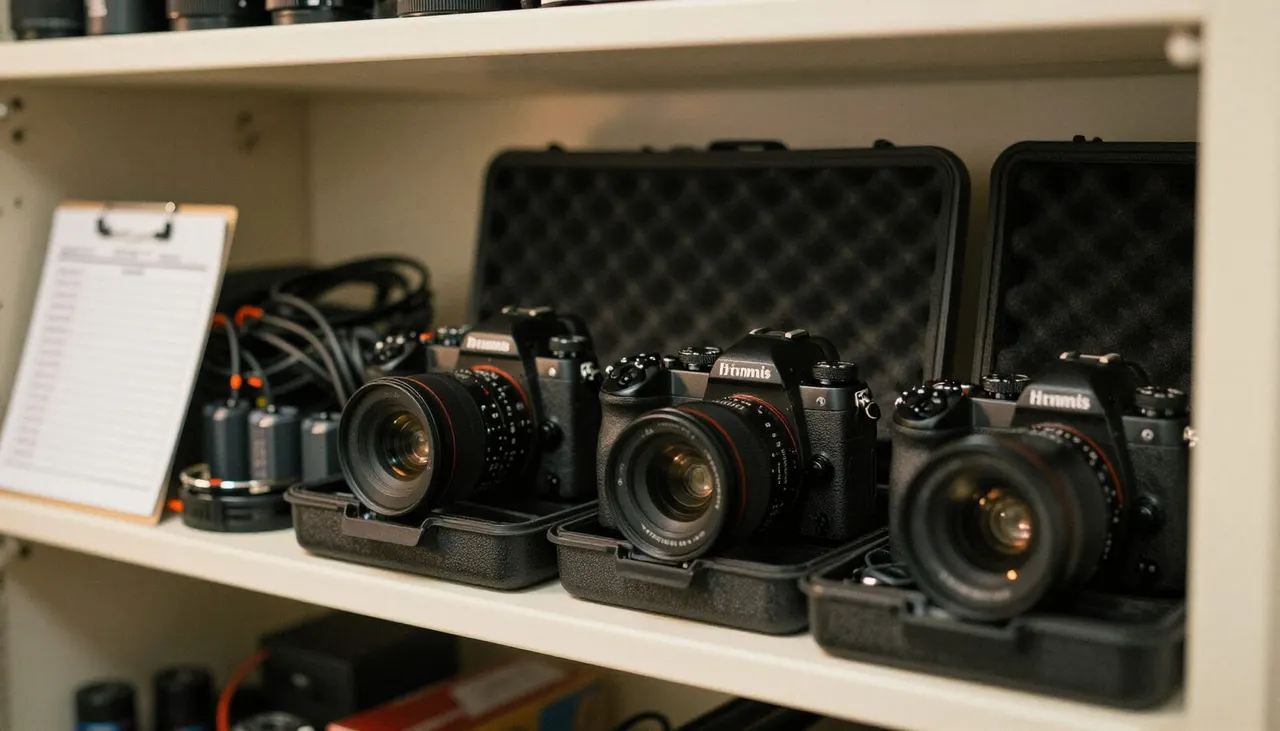
In practice, this usually means carrying a second camera body in addition to the main one, spare lenses covering similar focal ranges, multiple memory cards so that a single card failure does not mean losing an entire segment of the day, and extra batteries kept charged and ready. Many photographers also record to two memory cards at once inside the camera itself, so that a single card issue does not risk the images captured.
Videographers tend to think about this slightly differently, since a video file that stops recording partway through a solemnisation or a first dance cannot easily be recreated the way a missed photo sometimes can be reframed a moment later. Ask a videographer specifically how they guard against a recording failing mid-segment, since the answer can differ from how a photographer talks about backup cards.
These are common, sensible practices rather than anything unusual to ask about. If a vendor cannot describe roughly what they carry as backup, or brushes off the question, that is worth noting alongside everything else you learn about them during a consultation.
What happens if the vendor themselves falls ill
Equipment is not the only contingency worth asking about. It is also fair to ask what happens if the photographer or videographer you booked is unwell or unable to attend close to your date. This is a sensitive question, and a straightforward vendor will not be offended by it, since it affects how confident you can feel booking months in advance.
The honest answer will vary by vendor. A solo freelancer may have a looser informal arrangement with peers, while a studio with an in-house team is generally better placed to bring in another qualified photographer familiar with the same way of working. Ask directly rather than assuming either way.
Questions to ask a vendor about their contingencies
A few direct questions tend to surface useful answers: what backup equipment do you bring on the day, do you shoot to two memory cards at once, and what would happen if you were unable to attend due to illness or an emergency. You can also ask whether a second shooter or videographer on the day would be familiar enough with your timeline to step in if needed.
Listen for specific, practical answers rather than reassurance alone. A vendor who says 'that has never happened to me' is not the same as a vendor who can describe exactly what they carry and who they would call if something went wrong.
How a team structure supports quick recovery
A studio built around an in-house team, rather than a single freelancer working alone, tends to have more options if something goes wrong. Our own team at RS Media works this way, with photographers, videographers and streaming engineers who work together regularly and are familiar with the same equipment and workflow, which makes it easier to bring in support if it is ever needed.
This does not mean problems never happen. It means there are more people and more equipment in the wider pool to draw on, which is generally a meaningful difference when you are trusting a vendor with a day that cannot be reshot.
These are fair questions to ask any vendor before you commit to a date. If you would like to hear how our team at RS Media approaches equipment and contingency planning, get in touch and we can walk you through it.