
In short
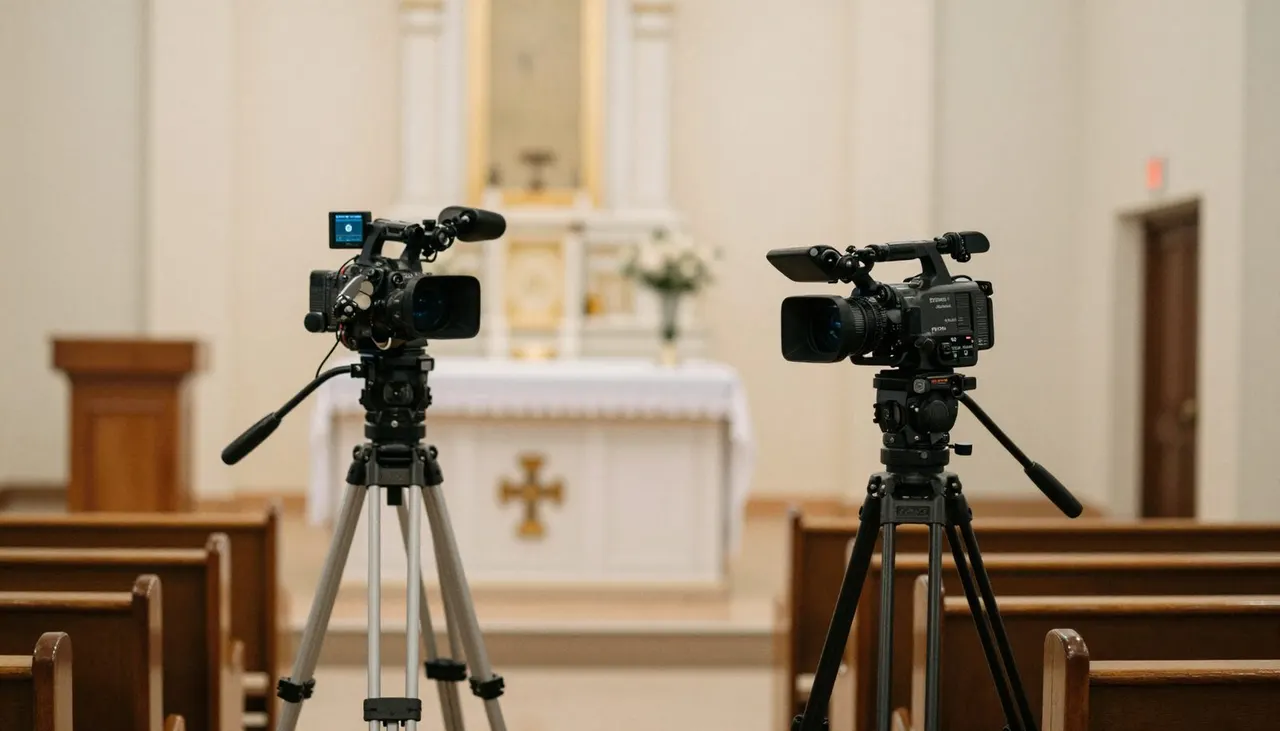
A single camera setup can capture a wedding day well for smaller, simpler programmes, but a second camera adds the ability to catch reactions and a wider angle during moments like vows and speeches at the same time as the main shot, which is usually where the difference is most noticeable in the final film.
- A single camera works well for a simpler programme with fewer moving parts happening at once
- A second camera lets you capture reactions or a wider angle during vows and speeches at the same time
- Larger venues or programmes with two locations tend to benefit more from a bigger crew
- Deciding between one and two cameras depends on your venue layout and how your programme runs
- Ask your videographer to walk through your specific programme before deciding on crew size
What a single camera setup captures well
A single camera, operated by one videographer, can cover a wedding day effectively when the programme is relatively simple and moves through one location at a time, such as a straightforward ceremony followed by a banquet in the same venue.
With one camera, the videographer moves between wide shots and closer shots as the day progresses, which works well as long as there is not too much happening simultaneously in different parts of the venue.
For couples with a smaller, more contained programme, a single camera setup is often enough to capture the story of the day clearly.
What a second camera adds during vows and speeches
The clearest difference a second camera makes is during moments like the exchange of vows or speeches, where one camera can hold on the couple or speaker while a second captures reactions from family and guests at the same time, rather than having to choose between the two.
Without a second camera, a videographer has to decide in the moment whether to stay on the main subject or briefly swing to capture a reaction, and either choice means missing part of what is happening elsewhere in the room.
This is one of the more noticeable differences in the final edit, since cutting between two simultaneous angles gives speeches and vows a fuller, more layered feel.
When a bigger crew makes the most difference
A bigger crew tends to matter more for larger venues, programmes that move between two locations such as a lunch and a separate evening banquet, or events with several things happening close together, such as a tea ceremony followed shortly by a march-in.
In these situations, one videographer alone may struggle to be in the right place for every key moment, whereas a second person allows coverage to be split across locations or angles without missing either.
If your day involves multiple locations or a tightly packed schedule, this is worth discussing directly with your videographer.
How a second camera changes coverage of the march-in
During a march-in or a first entrance into the banquet, a second camera lets one operator hold a wide shot of the couple walking in while a second focuses on guest reactions or a close shot of the couple's expressions. With a single camera, this moment usually has to be captured from one angle only.
For couples who want their march-in to feel fuller in the final edit, with reactions from the room cut alongside the couple themselves, a second camera tends to make the biggest visible difference in this particular segment.
Deciding based on your venue and programme
The right choice between one and two cameras comes down to your specific venue layout and how your programme is structured, rather than a fixed rule that applies to every wedding. A simple, single-location day may not need a second camera, while a more complex programme often benefits from one.
Walking your videographer through your planned programme in detail, including timing between segments, helps them recommend a crew size that fits your day rather than guessing from a generic template.
If you are unsure, ask your videographer to point out where a second camera would have made the most difference in past weddings with a similar programme to yours.
Weighing crew size against your overall coverage plan
Crew size is one part of a bigger set of decisions about your video coverage, alongside how long coverage runs for and whether you want a highlight film, full-length footage, or both. It is worth discussing crew size together with these other decisions rather than in isolation.
A videographer who understands your full programme and priorities is better placed to recommend whether one or two cameras makes sense, rather than defaulting to a single answer for every couple regardless of their day.
Taking the time to think through crew size alongside these other choices generally leads to a better fit than deciding on camera count in isolation from everything else.
If you want help deciding on crew size for your programme, get in touch and we can talk through what fits your venue and schedule.