
In short
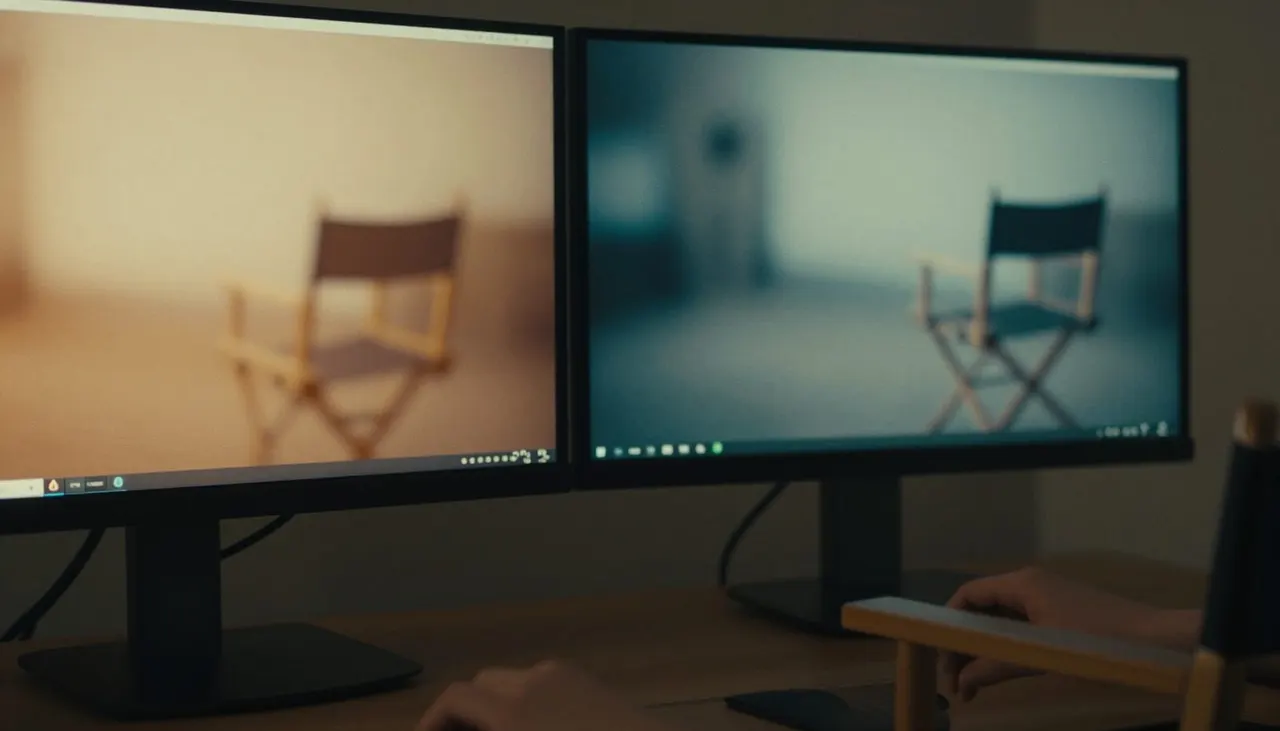
A cinematic edit shapes your wedding day into a stylised, emotionally driven film with music and colour grading doing much of the storytelling. A documentary edit follows the day closely in something near its natural order, with less styling and more of the day's own sound and dialogue left in.
- Cinematic editing favours mood, music, and a shaped narrative over strict chronology
- Documentary editing follows the day's own order and keeps more natural sound and speech
- Most videographers can lean either way, so briefing your preference matters
- Sharing reference films helps a videographer understand your taste more precisely than words alone
- Vows, speeches, and key traditions are usually kept in full regardless of style
What a cinematic edit typically looks and feels like
A cinematic wedding film tends to prioritise mood over strict chronology. Moments may be reordered for emotional effect, a song plays under a sequence rather than the couple's own spoken words, and colour grading is often used deliberately to give the film a particular look, whether warm and soft or bold and contrasted. Shots are frequently composed with more deliberate camera movement and framing.
This style suits couples who want their wedding film to feel like a polished piece of storytelling, closer to a short film than a straightforward record of the day. It works especially well when a couple already has a strong sense of the mood they want, whether that is romantic, dramatic, or quietly understated, and can describe it clearly to their videographer beforehand.
What a documentary-style edit focuses on instead
A documentary edit stays closer to the day as it happened, following events roughly in the order they occurred and keeping more of the natural sound, from vows and speeches to conversations and laughter caught in passing. There is less reliance on music to carry the emotion, since the moments themselves, and the words spoken in them, do more of that work.
This style suits couples who want their film to feel like a faithful record they can revisit years later, with less stylisation standing between them and the memory. It tends to include a wider range of moments across the day, rather than concentrating heavily on a few standout scenes shaped for emotional impact.
Briefing your videographer on a reference style beforehand
Describing a style in words alone, such as saying you want something cinematic, can mean quite different things to different people. Sharing one or two reference films you like, whether from the videographer's own past work or examples you have found elsewhere, gives a far clearer picture of the pacing, music choice, and level of styling you have in mind.
It also helps to be specific about what you want kept in full. If certain speeches, a particular tradition such as a tea ceremony or gatecrash, or the full vows matter most to you, say so directly, since these details shape how the final edit is structured regardless of the overall style chosen.
Blending elements of both styles
Cinematic and documentary are two ends of a spectrum rather than a strict choice between only two options. Many wedding films sit somewhere in between, using natural sound and chronological order for most of the day while still applying music and pacing more deliberately to a few key sequences, such as the march-in or the first toast.
If neither pure style feels right, it is worth telling your videographer you want a blend, and being specific about which parts of the day you would like handled more like a documentary and which parts you are happy to see shaped more cinematically. Most videographers are used to working across this spectrum rather than only at one extreme.
What stays consistent across your final film regardless of style
Whichever style you choose, certain moments tend to remain central to a wedding film: the exchange of vows, key speeches, the march-in, and the toasts. How these moments are edited, more stylised or more observational, changes with the chosen approach, but their presence in the final film generally does not.
Audio quality also matters regardless of style, since a beautifully shot vow with poor sound loses much of its impact either way. Discussing how vows and speeches will be captured, not just how the film will look, is worth raising early in your conversation with a videographer.
Deciding which style fits your day
There is no style that suits every couple, and the right choice often depends on how you want to remember your wedding rather than which style looks more impressive online. If you are drawn to films that feel like short stories with a clear mood, cinematic editing may suit you. If you would rather relive the day closely, with more of its own words and sound intact, documentary editing may fit better.
It also helps to consider your family. A documentary-style edit with fuller speeches and ceremony footage is often easier to share with relatives who could not attend, while a shorter cinematic highlight film suits sharing more broadly among friends.
Choosing a style is really about deciding how you want to remember your day, and it is worth discussing openly before booking. Get in touch to talk through reference films and preferences, or read about the difference between a same-day-edit highlight film and a full-length film.