
In short
The hotel at 11 Canning Walk, inside Fort Canning Park, now trades as METT Singapore, following the takeover reported by Time Out Singapore in October 2025. For weddings, METT’s 2027 wedding brochure lists two ballrooms and two outdoor terraces for solemnisations. The surrounding park is managed by NParks, and ROM’s rules for an offsite ceremony apply to a civil solemnisation here.
- METT’s wedding brochure lists the Grand Ballroom (950 square metres, up to 360 guests) and the Junior Ballroom (360 square metres, up to 160 guests), both on Level 1.
- For an outdoor solemnisation, the brochure lists the Canning Terrace (up to 30 guests) and the Garden Terrace (up to 80 guests).
- NParks’ Fort Canning Park page asks for a Park Use Request form for solemnisation and proposal requests in the park, and gives two different routes for photography and filming requests.
- A civil solemnisation here is an offsite ceremony for ROM’s purposes; ROM itself now solemnises at The Esplanade Mall, not beside Fort Canning.
- The pages and brochure reviewed for this guide do not state a rain alternative for the terraces or a policy on outside photographers, so ask METT’s events team.
From Hotel Fort Canning to METT Singapore
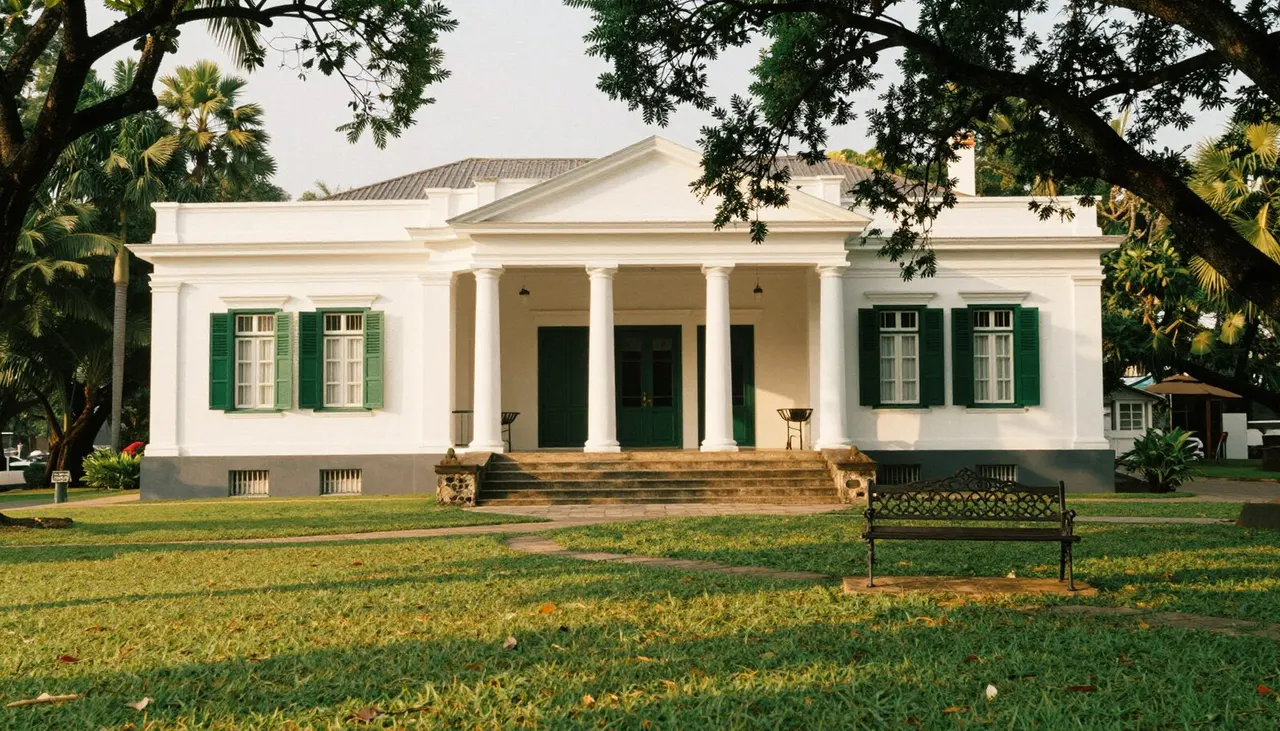
Hotel Fort Canning is the former name of METT Singapore. Time Out Singapore reported in October 2025 that METT Singapore had taken over the former Hotel Fort Canning grounds and would open in phases from 28 October 2025; it described the colonial building as having served military administration purposes during the Second World War. METT’s own wedding brochure describes the property as a restored colonial landmark with 84 rooms, at 11 Canning Walk.
Older reviews, forum posts and vendor pages may still use the Hotel Fort Canning name, its room names or its capacities. Check anything you read against METT’s current brochure and its events team before you plan around it.
Wedding spaces in METT’s brochure
METT’s 2027 wedding brochure lists two indoor banquet spaces, both on Level 1: the Grand Ballroom, at 950 square metres for up to 360 guests, and the Junior Ballroom, at 360 square metres for up to 160 guests. Its wedding packages set a minimum of 250 guests for the Grand Ballroom and 120 for the Junior Ballroom, with lunch from 12pm to 4pm and dinner from 7pm to 11pm, Monday to Sunday, including the eve of public holidays and public holidays.
METT’s events deck describes the Grand Ballroom as lit by natural daylight from windows lining one side, opening out to views of Fort Canning’s greenery, with twelve side-positioned pillars that keep the central floor open and an integrated LED wall at one end. It describes the Junior Ballroom as having windows along one side and as divisible into three smaller rooms. Ask your photographer how daylight from the ballroom windows could affect coverage at your booked time, confirm which side the windows face and where the stage sits, and share the floor plan before planning the march-in and toasts.
An outdoor solemnisation on the terraces
For an outdoor solemnisation, the brochure lists one hour of exclusive access to an open-air venue overlooking the city, framed by greenery and the hotel facade: the Canning Terrace, for up to 30 guests, or the Garden Terrace, for up to 80. The events deck places both terraces on Level 2 and describes the Garden Terrace as overlooking the city-facing side of Fort Canning Park.
ROM describes an offsite ceremony as taking about 15 to 30 minutes; confirm with the hotel and solemniser how guest arrival, seating, optional ceremonial certificate signing, family photographs and departure should fit around the one-hour terrace booking. Agree the order with your solemniser, the events team and your photographer, and ask whether an indoor alternative is available and what conditions apply if it rains; the brochure does not state this, nor when early setup and a photographer’s walkthrough can begin.
A civil solemnisation, and ROM’s own history at Fort Canning
For a civil marriage, a solemnisation here would be an offsite ceremony requiring the venue’s agreement, a licensed solemniser and completion of ROM’s application, declaration and marriage-licence requirements; offsite ceremonies may take place on weekends and public holidays. Coordinate the proposed venue, date and time with the hotel and your licensed solemniser before finalising arrangements. ROM advises booking one three to six months ahead, and our guide to finding a solemniser covers how. Submit the marriage application no earlier than six months and at least 21 days before the solemnisation, and arrange two witnesses above 21. Our guide to how ROM solemnisation works covers the full process.
ROM’s own history page records that it was housed in Fort Canning from 1961 to 1983, on what is now an empty plot of land facing Park Mall, before moving to Canning Rise. Since 14 April 2025 it has operated from a temporary site at The Esplanade Mall while the Canning Rise building is redeveloped, so ROM is no longer beside the park. If you would rather solemnise at one of ROM’s own sites, the Esplanade room holds up to 20 people and the Ficus Room at Gardens by the Bay up to 40, including the couple and witnesses. Our Fort Canning ROM photography guide covers photographing a solemnisation around the park, and our ROM and solemnisation photography page covers the ceremony itself.
Photography in the park and at the hotel
NParks’ Fort Canning Park page asks for a Park Use Request form for group activities, including solemnisation and proposal requests; one note on the page also includes photography and filming in that form, while another points photography and filming requests to NParks’ on-location filming permit, so ask NParks which applies. Separately, NParks’ on-location filming permit page states that a permit is required for all filming and commercial photography in its parks and nature reserves, names Fort Canning Park among the locations excluded from its simplified small-scale route, asks for applications at least one month before the shoot and states that no application fee is required. NParks’ photography page gives a shorter lead time of at least two weeks for commercial photography or filming, so confirm with NParks which applies to your session.
Those are NParks’ rules for the park. The pages reviewed for this guide do not state where METT’s grounds end and the public park begins for photography, or METT’s own rules for photographers on its terraces and in its ballrooms, so ask the events team before you plan portraits around the hill. Our guide to pre-wedding shoot permit requirements covers permits at other locations in Singapore.
Fort Canning Park’s history
According to the National Heritage Board’s Roots portal, local Malays knew the hill as Bukit Larangan, or Forbidden Hill, believing it the abode of former Malay kings, and a keramat, or shrine, believed to be the tomb of the last Malay king is located there. NParks describes the hill as once the palace home of five Malay kings who ruled in the 14th century, and says its Fort Canning Heritage Gallery explores the hill’s history.
Roots records that in 1822 the British renamed the site Government Hill and built a bungalow for Sir Stamford Raffles, who started Singapore’s first botanic garden there the same year. The bungalow was demolished in the 1850s for the construction of Fort Canning, which was completed in 1861 and mostly demolished by 1926 to make way for a service reservoir. NParks records that in an underground command centre on the hill, Lieutenant-General Arthur Percival made the decision to surrender Singapore to the Japanese on 15 February 1942. Roots adds that the hill had become a recreational space by the 1950s and was renamed Fort Canning Park in 1981.
Light, portraits and a wet-weather plan
Discuss with your photographer whether a visit at your booked time of day would help assess the light in the ballroom and on the terraces. Ask whether a walkthrough can be arranged at a similar hour, and keep a shortlist of two or three portrait spots so the session stays short between the ceremony and the banquet; our guide to building a wedding-day timeline covers how to fit these together.
For a terrace ceremony, ask whether an indoor alternative is available and what conditions apply, then agree the plan with your photographer; our wet-weather planning guide covers what to agree in advance. Two of the brochure’s three packages include a night in the Bridal METT Suite for a pre-wedding photoshoot; if yours does, ask when you can use it and plan that session with your photographer.
What to ask METT’s events team
- Which spaces are available on your date, and the guest minimums and maximums for each.
- Ask whether an indoor alternative is available and what conditions apply for a terrace ceremony.
- Whether outside photographers and videographers are welcome and what access and setup times apply; one of the brochure’s packages lists photography and videography of up to 10 hours among its complimentary add-ons, so ask how that works if you bring your own team.
- Where METT’s grounds end and Fort Canning Park begins, so you know when NParks’ Park Use Request or permit rules apply.
- Arrival and drop-off arrangements, and how the parking passes listed in your package are allocated.
Confirm spaces, guest numbers and rules with METT Singapore’s events team, and any park permission with NParks, before you plan the day. If you would like to talk through coverage for a solemnisation and banquet here, check your date with us, or read more about our actual-day wedding photography.