
In short
Hantaran comes up in several related senses around a Malay wedding. The National Heritage Board’s Roots entry on Malay weddings describes duit hantaran, a sum agreed between the families for the wedding expenses, and dulang, the decorated gift trays exchanged at the engagement; the Registry of Muslim Marriages (ROMM) lists hantaran as an optional, customary gift from the groom to the bride’s family; and an NLB BiblioAsia account of Malay-Muslim weddings describes dulang hantaran being exchanged at the nikah. This guide sets out what each involves and what to plan for if you want it photographed.
- Roots describes duit hantaran as a sum for the wedding expenses agreed at the proposal, not a fixed or published figure.
- Roots describes dulang, decorated gift trays, being exchanged at the engagement, or pertunangan.
- BiblioAsia describes both parties customarily exchanging dulang hantaran at the nikah, with the groom presenting the pre-agreed duit hantaran and the mas kahwin.
- ROMM lists hantaran as an optional item, distinct from maskahwin, the groom’s gift to the bride.
- What goes into the trays, and how elaborate they are, is for each family to decide.
Duit hantaran and dulang: what each term means
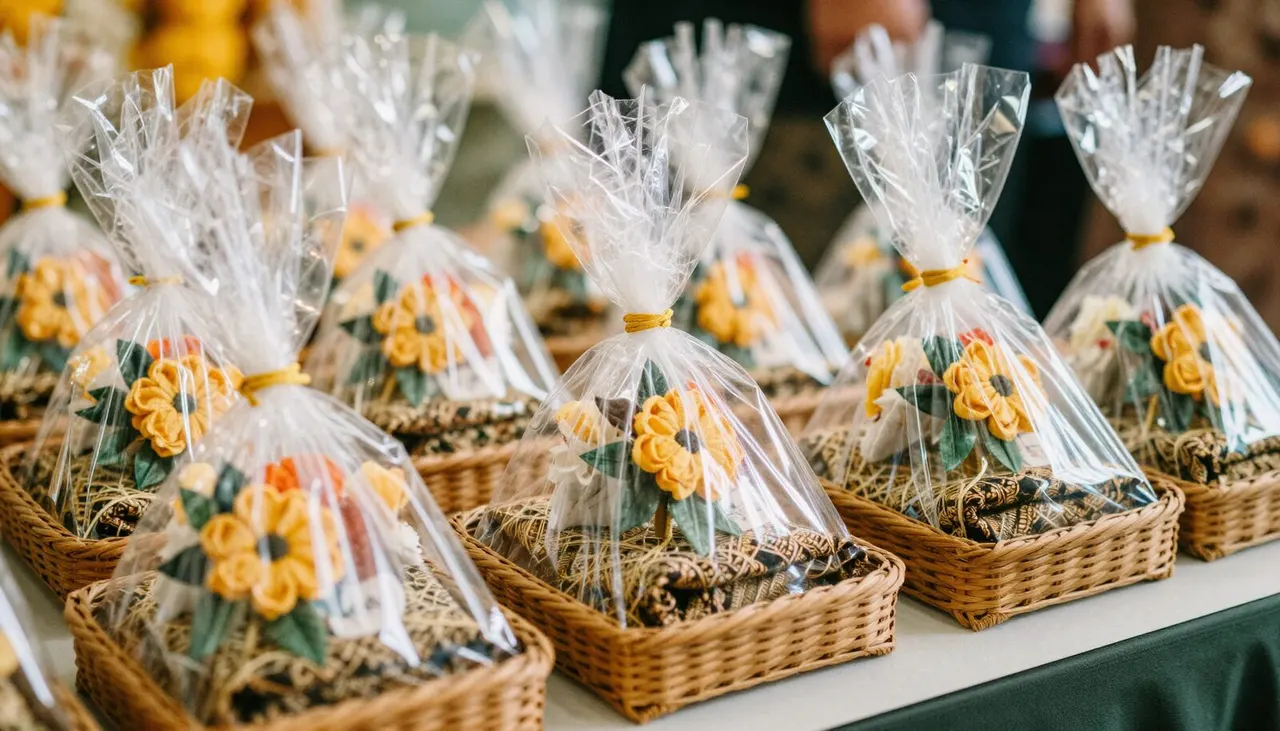
Roots traces a Malay wedding through five traditional steps: merisik, a discreet inquiry into a prospective match; meminang, the proposal, where the two families formally meet; pertunangan, the engagement; akad nikah, the solemnisation; and bersanding, the couple’s sitting in state. Roots notes that during the proposal, “the families agree upon a sum of money for the wedding expenses, commonly known as duit hantaran,” along with the date of the engagement and the number of dulang, or gift trays, to be exchanged that day. At the pertunangan itself, Roots describes the groom’s family arriving “bearing the dulang,” decorated trays that traditionally hold an engagement ring, cakes, sweets, potpourri and a bouquet called sireh junjung, arranged to stand taller than the bride’s own bouquet, known as sireh dara. These bouquets, Roots notes, replaced an older custom of exchanging and chewing betel leaves to mark that the marriage could go ahead, a practice that has since died out.
ROMM uses the word differently again. On the marriage application, hantaran is listed as a separate, optional item, described as “a customary gift from the groom to the bride’s family,” with the amount “mutually discussed and agreed upon by both parties” rather than fixed. That is not the same as maskahwin, also called mas kahwin, the gift the groom hands the bride herself once the solemnisation is complete. Our own guide to Malay weddings in Singapore follows ROMM’s framing of hantaran as an agreed, unfixed gift between families, consistent with what Roots calls duit hantaran, even though Roots ties that discussion to the earlier proposal stage rather than the marriage application itself.
When the exchange happens
Roots’ traditional sequence places the dulang exchange at a distinct engagement, held before the akad nikah. The BiblioAsia account of Malay-Muslim weddings describes the exchange at the nikah itself: it notes that during the nikah it is customary for both parties to exchange dulang hantaran, with the groom presenting to his bride a pre-agreed duit hantaran and the mandatory mas kahwin. It adds that in the late 1960s the duit hantaran was handed over before the nikah, and that from the 1980s it began to take centre stage during the nikah. BiblioAsia also notes that many couples now hold the nikah, walimah and bersanding on the same day.
Roots notes that Singapore’s Malay community includes sub-groups such as the Bugis and the Javanese, each of whom may bring their own touches to a wedding. Confirm the sequence and timing your own two families intend to follow well ahead of the day.
What goes into the gift trays, and who decides
Beyond the ring, cakes, sweets, potpourri and bouquets Roots describes at the pertunangan, contents have broadened over time. The BiblioAsia account notes that couples today may exchange items such as jewellery, cosmetics, small electronics, cakes and chocolates, alongside more traditional pieces. Neither Roots nor ROMM sets out a required list, and ROMM is explicit that the value of hantaran is a matter for both families to discuss and agree, not a published figure.
Because there is no fixed list, the families decide together what feels appropriate for their own wedding. If you are unsure what your own families expect, ask directly rather than assuming, since practice varies considerably from one household to the next.
Planning the exchange into your wedding day
Because hantaran involves two families rather than just the couple, it helps to confirm the details well ahead of the wedding day: whether it will happen at the akad nikah, the bersanding, or a separate gathering, who will carry the trays, and roughly how many sets each side plans to present. Settling this early avoids uncertainty on a day that already has several moving parts.
If you are also planning other customs around the same period, such as a kompang procession, a henna night, or the wider majlis, map out a simple running order so everyone, including your photography and videography team, knows where the gift exchange fits relative to everything else. Our guide to planning a wedding day timeline covers how to sequence several customs without over-scheduling the day.
Photographing the hantaran presentation
If trays are carried in as part of your plans, consider photographing their decoration and the people presenting them. Wide shots of the full line of trays, alongside closer detail shots of the decoration and the hand-over itself, together give a fuller record of the moment than either on its own.
Let your wedding photography team know roughly when it is expected, so they are positioned and ready rather than catching it partway through.
If your families plan a hantaran exchange, confirm the details with both sides well before the day. If you would like to talk through coverage for this or any other custom, check your date with us, or read more about our actual-day wedding photography.